
Why we open our gardens: the Advocacy for Neuroacanthocytosis Patients
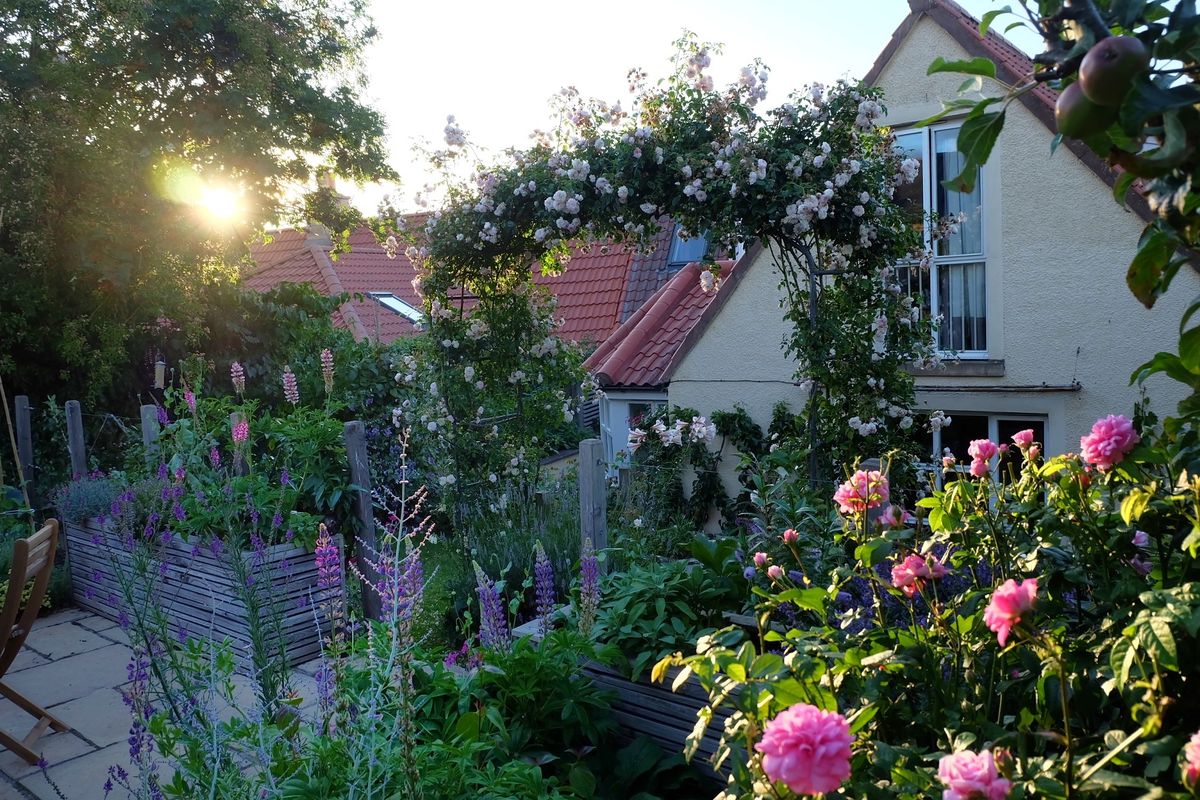
Mercat Cottage Garden opens with SGS for the first time on 13 August in support of the Advocacy for Neuroacanthocytosis Patients.
By Sheila M. Averbuch
My friend’s daughter was finishing university when the first signs started to appear, like trouble at mealtimes. “I’m not sure why, but Alex was spitting food – it was strange,” a mutual friend told me. We’d both met Ginger, Alex’s mum, when we travelled to Europe after graduating university ourselves. Ginger and her family are those rare people who spread kindness wherever they go: she’d even invited my friend to live with them in their home in London, while he spent a year in the city.
Ginger and I bonded early over a passion for plants – one of my favourite salvias came from her Kensington garden. As we chatted over the years, mostly I remember the fruitless search for a diagnosis for Alex. Doctors were mystified, and her symptoms continued, including chorea – involuntary movements and muscle tics, which could account for everything from Alex’s sudden clumsiness to trouble eating.
It would be five years before Alex had a diagnosis: neuroacanthocytosis (NA), an ultra-rare neurodegenerative disease about which so little was known, doctors could offer little assistance. They couldn’t even connect Ginger’s family with others who were going through the same slow and, it turns out, irreversible degeneration that leaves a person barely able to speak, walk, or eat unaided by the time they reach their 40s.
So, Ginger and her late husband Glenn did something remarkable: they started to fund research into the NA group of diseases themselves, writing grant proposals, reaching out to clinicians, seeking out other families like theirs, and eventually creating the amazing Advocacy for Neuroacanthocytosis Patients.
Today the Advocacy’s work helps patients get a faster diagnosis thanks to a free diagnostic test it supports. It also funds research that’s made significant inroads into understanding the mechanisms of NA – which broadly separates into two genetic disorders, VPS13 disease and XK disease, both characterised by unusual spiky red blood cells, or acanthocytes.
Rare diseases, collectively, aren’t rare
Fewer than 3,000 people globally live with NA – but, collectively, rare diseases are not rare, affecting an estimated 300 million people, including families and friends of those who live with rare conditions.
The Advocacy’s work needs all the support we can give. Rare diseases have attracted little attention from pharmaceutical companies, yet NA, as a neurodegenerative disorder, could provide insights into common diseases such as Parkinson’s.
Open garden in support of the NA Advocacy
Can you support our Scotland’s Garden Scheme open day in aid of the Advocacy for NA Patients? On 13 August Mercat Cottage Garden opens for the first time with SGS here in East Lothian, where Cataclysmic Lyrics will also be on sale: an anthology of poetry and illustrations by Alex. NA diseases remain incurable and life-limiting, but the Advocacy’s work has connected patients with each other, given researchers valuable tools to share information and resources, and supported a better quality of life for those living with one of the rarest diseases in the world.
Learn more at NAAdvocacy.org
Please buy a copy of Alex’s lovely book at the open day - here’s a preview